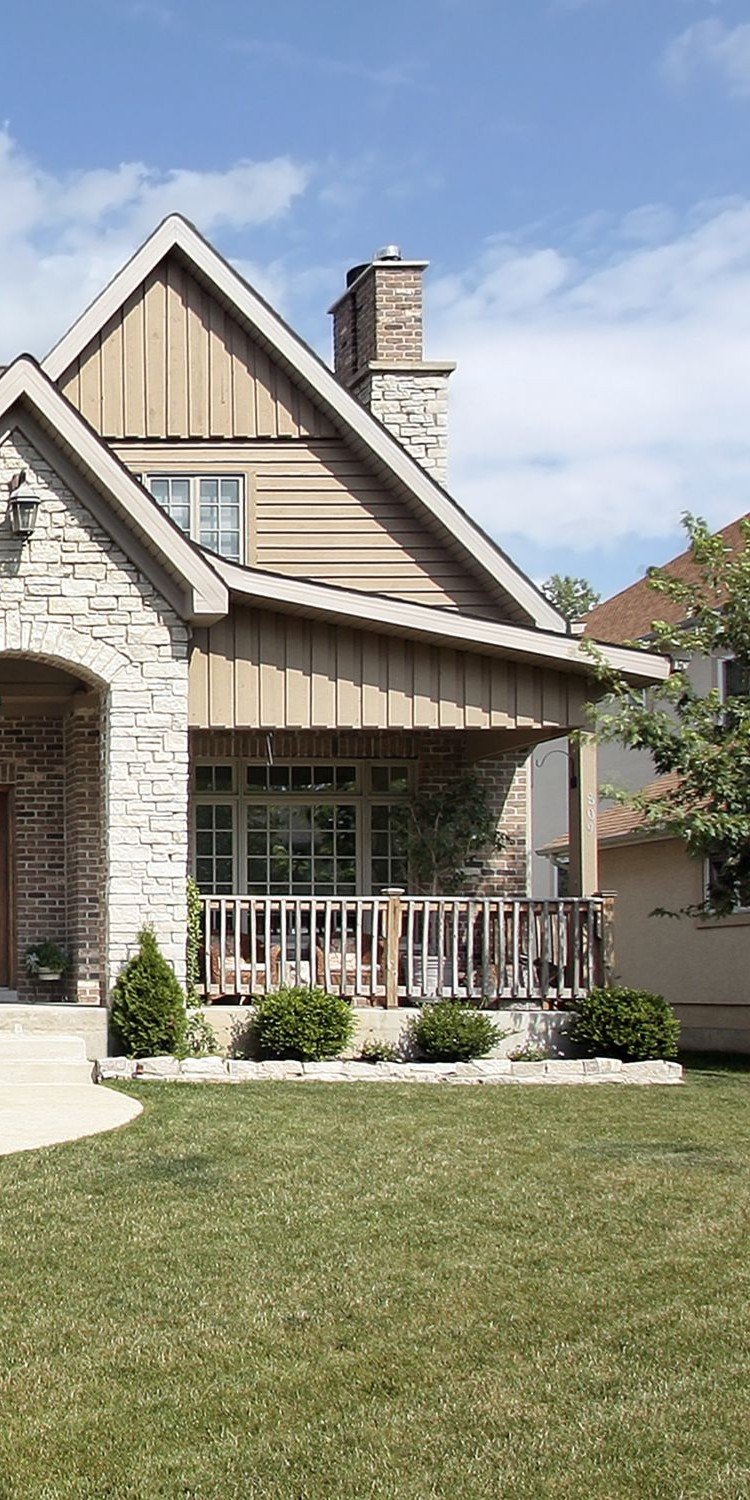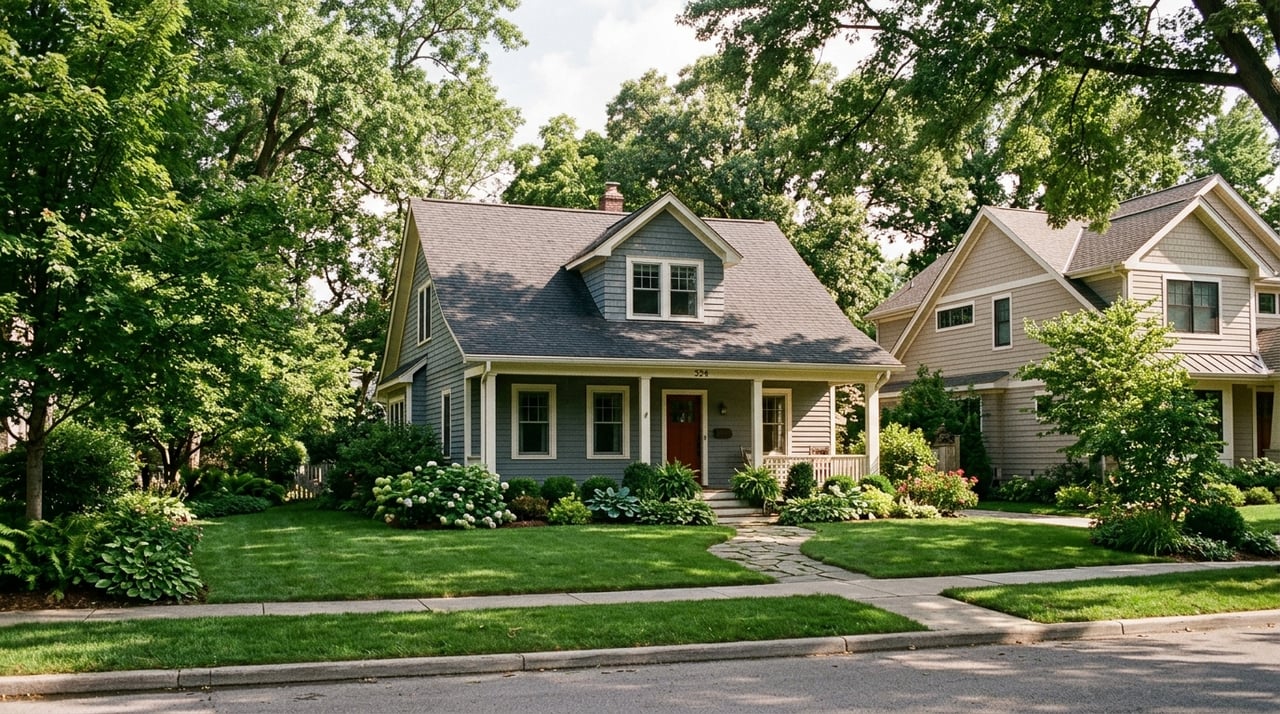
Wondering how to make sense of Slayton’s neighborhoods when it does not follow the big-city pattern of clearly named districts? You are not alone. If you are buying or selling in Slayton, the real story is less about formal neighborhood names and more about how each part of town is laid out, what types of homes are common there, and how close you are to everyday amenities. Let’s dive in.
How Slayton Is Organized
Slayton describes itself as the Hub City of southwest Minnesota, and that layout shows up clearly on the map. Broadway Avenue functions as the city’s central business district and main commercial area, while county offices, court administration, and law enforcement offices are clustered at the south end of Broadway.
That means many home searches in Slayton come down to location within a compact town rather than choosing between large, distinct neighborhoods. In practical terms, you will notice a central core around Broadway, older residential grid blocks around that core, more open edge areas near the highways, and recreation-oriented pockets on the west side.
Broadway Area Living
The Broadway corridor is the most compact and service-rich part of Slayton. The police department, public library, City Hall area, and county-related offices are all located on or near Broadway, which gives this part of town a convenient, central feel.
If you want easier access to civic services and the downtown business area, homes closer to Broadway may stand out. For sellers, this location can also be a useful feature to highlight because buyers often value simple day-to-day convenience.
What the Central Grid Feels Like
The residential blocks surrounding Broadway follow a traditional grid pattern. City planning documents describe these older or original plat areas as medium-density neighborhoods with narrower lots, often around 50 to 75 feet wide and 135 to 150 feet deep.
Even with smaller lot widths than newer areas, these blocks often still feel open in front because homes generally sit about 30 feet back from the front right-of-way. That setback can create a pleasant front-yard rhythm along the street instead of a tightly packed look.
Older Slayton Homes
If you are drawn to older homes, the original plat areas and older grid blocks are where you are most likely to find them. These parts of town tend to carry more of Slayton’s established residential character.
One notable example is the Dinehart-Holt House at Linden Avenue and 28th Street, a historic 1891 Victorian home with Stick and Queen Anne elements. While not every older home in Slayton is historic in that sense, it does show the kind of architectural age and variety that can appear in the older parts of town.
What Buyers May Notice
Older homes in Slayton can offer features that are harder to find in newer construction, such as mature street patterns, established yards, and varied exterior styles. At the same time, housing types can mix together more than some buyers expect.
The city’s land-use plan notes that apartments, duplexes, and older homes converted to apartments are scattered throughout Slayton rather than concentrated in one large apartment district. So even in an area that feels mostly single-family, you may still see a blend of housing forms nearby.
Newer Areas And Larger Lots
Newer development areas in Slayton generally feel more spread out than the older central grid. The city’s planning documents contrast older compact development with newer, more auto-oriented development, and they note that low-density housing is more common in newer parts of town.
Lot size is a big part of that difference. Newer lots are typically wider and deeper, often 100 feet wide or more and at least 135 to 150 feet deep, while a normally sized Slayton lot is often about 100 by 100 feet.
Why Lot Size Matters
For buyers, larger lots may mean more outdoor space, more separation between homes, or simply a different streetscape feel. For sellers, lot dimensions can help explain why one home feels roomier or more private than another, even within the same town.
In Slayton, this older-versus-newer contrast is one of the clearest ways to understand the housing market. A home’s block pattern and lot size often tell you just as much as any neighborhood label would.
West Side Recreation Access
The west side of Slayton, especially around 28th Street, has a stronger recreation-oriented feel. This area is associated with Slaytona Beach Aquatic Center, Bi-Centennial Park on 28th Street, Gullord Park west of 24th Street, and Rupp Park on east 28th Street.
For some buyers, being near parks, courts, and outdoor spaces is a meaningful lifestyle advantage. If you are comparing homes in Slayton, this part of town may feel especially appealing if recreation access matters to your daily routine.
Highway Edges And Transition Areas
The areas near Highway 59 and Highway 30 can feel different from the central parts of Slayton. The city identifies these highways as part of the highway-business district, so some edge locations may feel more commercial, more open, or more transitional than homes closer to Broadway.
Some north-side areas also have rolling, hilly terrain, along with localized drainage and flooding concerns noted in the city’s land-use plan. That does not define every property in those areas, but it is a reminder that edge parcels can come with a different setting and different practical considerations than homes in the flatter central grid.
Housing Types You May See
Slayton does not have just one dominant housing style. Instead, buyers can expect a mix of single-family homes, duplexes, apartments, converted older homes, and mobile-home options in different parts of the city.
That variety can be helpful if you are looking for flexibility in price point, lot size, or maintenance needs. It also means sellers should present their home in the context of its location and lot characteristics, not just by broad property type.
Mobile Home Areas
Slayton includes an R-3 Mobile Home Residential district. The city’s land-use plan says this district is intended to provide a variety of dwelling types, including mobile homes, in a low-density residential area.
For buyers, that is another example of how Slayton offers more than one path into homeownership or residential living. For sellers, it reinforces the importance of clear property positioning based on actual features and location.
What This Means For Buyers
If you are shopping for a home in Slayton, it helps to think in terms of feel and function. Ask yourself whether you want to be closer to Broadway services, on an older established grid block, near west-side recreation, or on a larger lot in a newer area.
A few simple questions can narrow your search quickly:
- Do you want a more compact in-town setting?
- Do you prefer an older home or a newer layout?
- Is lot width and yard space a priority?
- Would being near parks matter to your day-to-day life?
- Are you comfortable in an area with mixed housing types?
Those answers often tell you more than a neighborhood name ever could in Slayton.
What This Means For Sellers
If you are selling in Slayton, buyers often respond best when they understand how your home fits into the town’s layout. A home near Broadway may appeal because of convenience. A property on an older grid block may stand out for its established setting. A newer-area home may draw interest because of lot size and spacing.
In other words, your location story matters. In Slayton, it is often more useful to describe where the home sits, how the block feels, and what type of lot it offers than to rely on a strict neighborhood label.
Whether you are buying your first home, planning a move within southwest Minnesota, or preparing to list a property in Slayton, local guidance can make the process feel much simpler. When you are ready for clear, thoughtful help, reach out to Cynthia Rogers.
FAQs
What are the main neighborhood patterns in Slayton, MN?
- Slayton is best understood as a central Broadway core, older grid-style residential blocks, west-side recreation-oriented areas, and more open edge areas near Highway 59 and Highway 30.
What housing styles are common in Slayton, MN?
- Buyers in Slayton may see single-family homes, duplexes, apartments, older homes converted to apartments, and mobile-home options in different parts of town.
Where are older homes most common in Slayton, MN?
- Older homes are most likely to be found in the original plat areas and medium-density grid blocks around Broadway and other older parts of town.
What is the difference between older and newer lots in Slayton, MN?
- Older lots are often narrower, typically about 50 to 75 feet wide, while newer lots are generally wider and deeper, often 100 feet wide or more.
Which part of Slayton, MN is closest to parks and recreation?
- The west side, especially around 28th Street, is closely tied to parks and recreation amenities such as Slaytona Beach Aquatic Center, Bi-Centennial Park, Gullord Park, and Rupp Park.
Is Broadway Avenue an important area for homebuyers in Slayton, MN?
- Yes. Broadway is Slayton’s central business district and a key location for civic services, making nearby homes appealing for buyers who want convenient access to town amenities.