Thinking about a move to Montevideo, Minnesota? If you’re drawn to small-town convenience with room to breathe, you’re in the right place. Relocation can feel overwhelming, especially when you don’t know which neighborhoods fit your lifestyle or how winter and utilities impact daily life. This guide walks you through housing options, commute and amenity realities, what to verify before tours, and a practical timeline so you can settle in with confidence. Let’s dive in.
Why Montevideo fits a fresh start
Montevideo serves as the county seat of Chippewa County and functions as a small regional hub for commerce, health care, government, education, and everyday services. That role means you’ll find core amenities close to home, with a friendly, familiar feel that many buyers value.
You can expect a four-season climate with cold, snowy winters and warm summers. As a homeowner, you’ll want to plan for heating efficiency, snow removal, and routine winterization. The pace of life is steady, commutes tend to be short within town, and you get quick access to outdoor recreation and community events.
Like many rural-proximate towns, you’ll balance lower housing density and short local drives with tradeoffs such as fewer specialty retailers, limited late-night dining, and variable broadband or cell coverage in some areas. If you’re seeking a practical, close-knit environment, Montevideo offers a straightforward path to that lifestyle.
Housing choices and neighborhoods
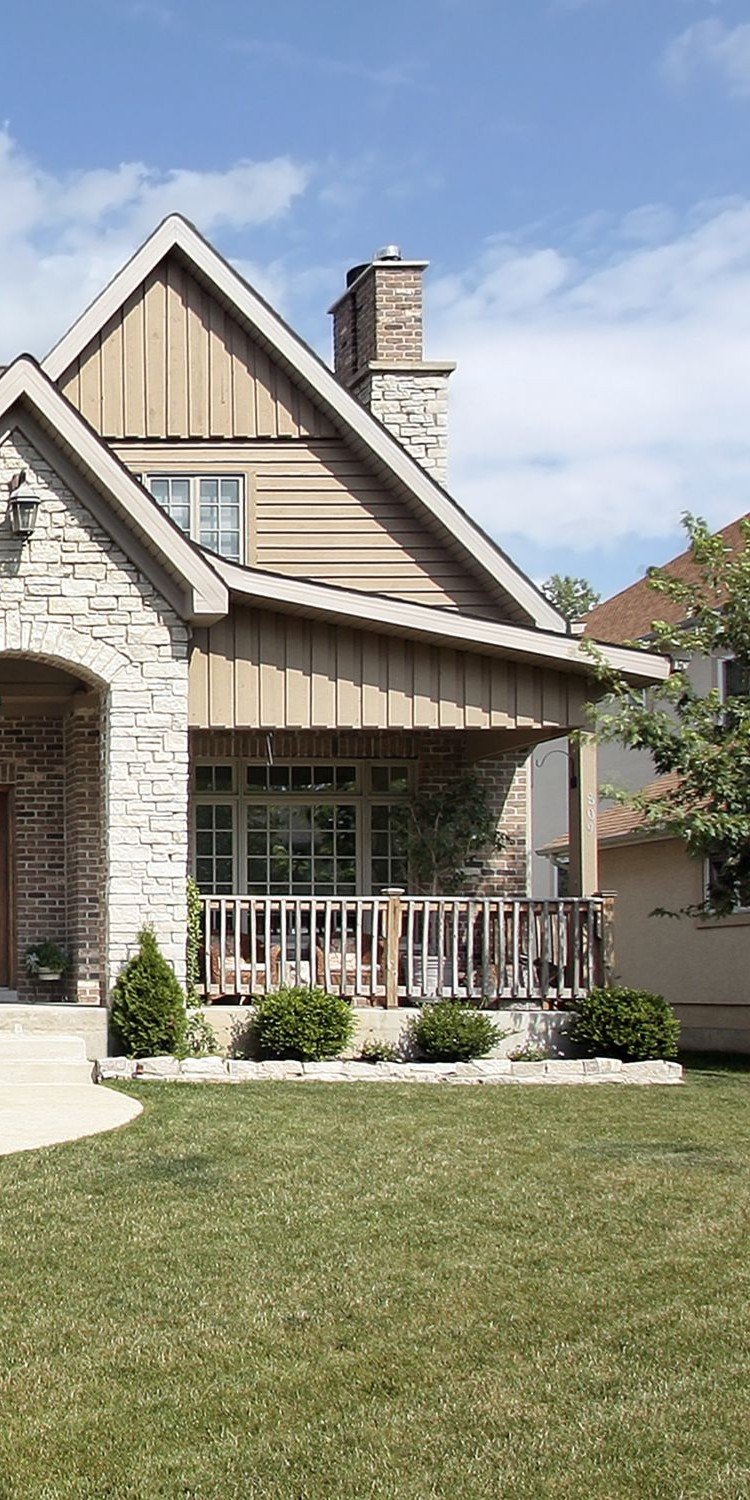
Expect a mix of single-family homes, from historic bungalows and mid-century ranches to newer suburban-style builds in small subdivisions or infill areas. Duplexes and small apartment buildings are present, though multi-family choices are more limited than in larger cities. If you prefer more space, you’ll also find rural acreage, hobby farms, and full-size farm properties in surrounding townships.
Inventory for well-priced homes can be tight at times, and pricing shifts with market conditions. For the latest snapshot, lean on a local agent for MLS data and use county assessor records to verify property details. National real estate sites can help with general trend context, but always confirm specifics locally.
How to shortlist in Montevideo
Use a simple, step-by-step approach to narrow your search:
- Define non-negotiables: school needs, commute limits, sewer/water type, lot size, and internet requirements.
- Pull recent sales and active listings that match your filters, then map them by neighborhood.
- Cross-check taxes, lot size, and utility hookups through county assessor records.
- Review FEMA flood maps and local drainage notes, especially for homes near rivers or low-lying areas.
- Visit likely neighborhoods at different times of day to assess traffic, noise, and general activity.
- Prioritize 6–10 drive-bys, then choose 3–6 homes for in-person tours clustered by location.
What to verify for each property
Before you fall in love with a listing, confirm a few essentials:
- Utilities and services: municipal water and sewer vs. well and septic; trash and recycling providers and pickup schedules.
- Broadband and cell coverage: options and speeds can vary by block; run a speed check during showings.
- Lot characteristics: yard size, mature trees, drainage away from the foundation, and driveway practicality in winter.
- School boundaries and programs: contact Montevideo Public Schools for the most current details.
- Future development: ask the city planning department or local Economic Development Authority about planned subdivisions or commercial projects.
Commutes, roads, and winter prep
Most residents work in Montevideo or nearby towns. In rural Minnesota, typical commutes often range from about 15 to 45 minutes depending on origin and destination, but verify your specific route at your typical travel time. Daily commuting to major metro areas is less common due to distance.
Montevideo is connected by regional highways and county routes. If you’ll be driving daily in winter, plan for snow and ice on rural roads and pay attention to county and state maintenance priorities. Fixed-route public transit is limited; demand-response or medical transport services may be available, so confirm options with local providers. For air travel, consider nearby regional fields for general aviation and research which larger commercial airports fit your travel needs.
Everyday amenities to check
Make a quick amenities plan based on your routine:
- Grocery and pharmacy: identify your preferred store and verify hours.
- Health care: local clinics and smaller hospitals handle primary and some acute care; specialty services may require travel to larger regional centers.
- Schools and childcare: contact the public school district for boundaries, enrollment timelines, and available programs; childcare availability can be limited, so ask about waitlists early.
- Parks and recreation: look into municipal parks, community centers, walking trails, seasonal sports, and regional outdoor activities.
- Banking, postal, and government services: many are centered downtown, keeping errands efficient.
Home tours and inspections
A focused inspection plan helps you avoid surprises later. Prioritize these checks during tours:
- Exterior: roof age and condition, gutters and drainage, siding integrity, foundation cracks or heaving, driveway condition, and the health of large trees.
- Mechanical systems: age and condition of furnace or boiler, water heater, central AC, electrical panel capacity and updates, water softener, and sump pump.
- Utilities: confirm municipal water/sewer vs. well/septic. If septic, request recent inspection and pump records and verify setback compliance.
- Energy and winter readiness: insulation levels, window type and age, heating efficiency, and practical snow removal for driveways and walkways.
- Neighborhood checks: test cell reception, run an internet speed test if possible, and note distance to grocery, pharmacy, and hospital.
- Professional contingencies: plan a home inspection, a radon test, and a septic evaluation if applicable; consider licensed HVAC or plumbing specialists for system-specific opinions.
Efficient showing strategy
To make showings productive and low-stress, use a simple structure:
- Cluster tours geographically to limit backtracking and build in 20–30 minutes of buffer for rural or winter driving.
- Schedule multiple showings on the same day and request an access checklist from each listing agent.
- See homes at typical use times, such as morning for commuter flow and evening for street activity.
- Bring a standardized checklist and ask consistent questions: utility costs, typical winter heating bills, known issues, last major updates, pest history, and lot boundaries.
Moving timeline for Montevideo
Use this practical timeline to stay organized:
- 8–12 weeks before move: research neighborhoods, connect with a local agent, start mortgage pre-approval if buying, and gather school enrollment info.
- 4–8 weeks: finalize your shortlist, schedule showings, and begin offer or application paperwork.
- 2–4 weeks: book movers, transfer utilities, and schedule final walk-throughs and inspections.
- 0–2 weeks before: change your address with USPS, notify employers, enroll children in school, transfer medical records, and set up city utility accounts.
- First 30 days after move: meet neighbors, confirm garbage and recycling days, test safety devices, learn your home’s systems, and register for local services.
Utilities, broadband, and services
Because coverage and providers can vary by address, verify details early:
- Electricity, gas, water, and waste: contact the City of Montevideo utilities or City Hall to confirm providers, set up accounts, and understand pickup schedules and fees.
- Broadband and cell: review provider options and speeds, check the FCC broadband map as a starting point, and ask sellers for their recent speed tests.
- Schools: obtain district boundary maps and enrollment steps from Montevideo Public Schools; confirm open seats and program offerings if applicable.
- Road and weather: use Minnesota Department of Transportation updates for seasonal advisories and route planning.
- Records and permits: for taxes and assessments, check the Chippewa County assessor; for deeds, the county recorder; for building permits, zoning, and future development, contact the city planning department or county planning office.
- Vehicles and residency: for driver’s licenses and registration changes, follow Minnesota Driver and Vehicle Services procedures soon after you establish residency.
Avoid surprises near water and low areas
If you’re considering a home near rivers or in a lower-lying area, add flood due diligence to your list. Review the FEMA Flood Map Service Center and ask local planning staff about site-specific drainage notes. During showings, look for signs of standing water, downspout extensions, grading away from the foundation, and a functioning sump system.
Putting it all together
Relocating to Montevideo is about matching your daily needs with the practical realities of a rural-proximate small city. When you pair a clear shortlist with thorough property checks and a realistic moving timeline, you can make decisions confidently and settle in smoothly. If you want local guidance, steady communication, and a process that keeps you in control from search to closing, reach out to Cynthia Rogers. Let’s move forward—together.
FAQs
What is living in Montevideo like?
- Montevideo is a small regional hub with core amenities, short local commutes, and a four-season climate; you’ll enjoy a close-knit feel with outdoor recreation nearby and should plan for winter-ready home features and snow management.
How do I evaluate commute times in Montevideo?
- Test drive your exact route during typical travel times and consider winter maintenance priorities on county and state roads; most local commutes are short, while longer daily drives to distant metros are less common.
What housing types are common in Montevideo?
- You’ll find historic bungalows, mid-century ranches, newer single-family homes in small subdivisions, limited multi-family options, and rural choices like acreage or hobby farms in surrounding townships.
How do I confirm school options and boundaries?
- Contact Montevideo Public Schools directly for current boundary maps, enrollment steps, and program details; verify before making any home decision tied to a specific school.
How do winters affect homeownership here?
- Plan for efficient heating, solid insulation, winterized plumbing, and practical snow removal; check roof, gutters, grading, and mechanicals during inspections to ensure the home is winter-ready.
How do I check flood risk near local rivers?
- Review the FEMA Flood Map Service Center for floodplain data, ask city or county planning about site-specific drainage notes, and look for grading and sump systems that direct water away from the foundation during your tour.